




Why Awards Are Often the Simplest Recognition Investment
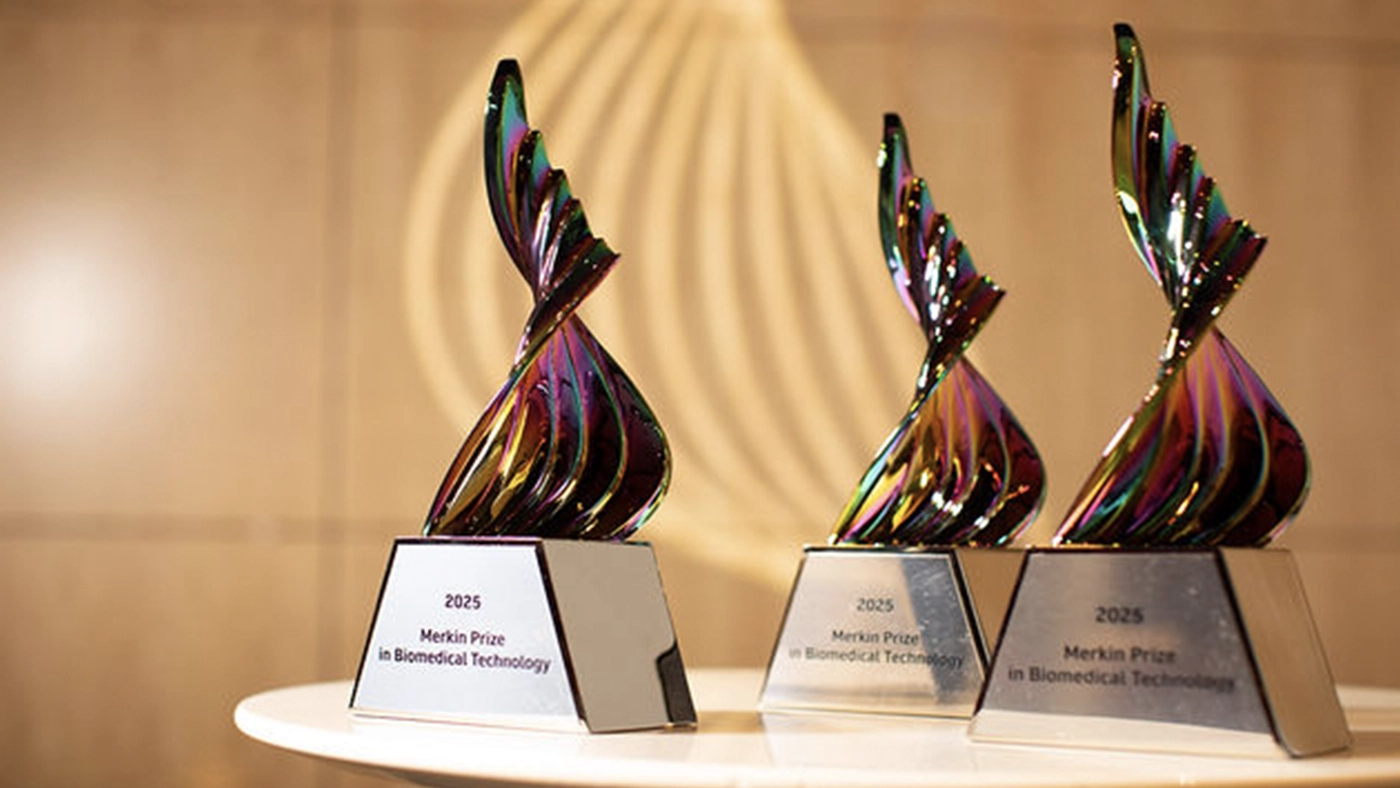
One of the most surprising things we have observed after designing recognition programs for organizations around the world is this: Many companies begin believing an awards program will be the most complicated recognition initiative they could undertake.
Over time, many discover the opposite through their experience working with Society Awards.
At first glance, an awards program appears to involve custom design, manufacturing, approvals, production, shipping, logistics, and coordination. Compared to booking a dinner or planning an event, it can seem like the more difficult path. It is a reasonable assumption. With our experience and logistical capabilities, it is also incorrect.
Recognition Is Not Just About the Event
When organizations set out to recognize employees, customers, partners, donors, volunteers, athletes, or other stakeholders, they rarely consider only awards.
Businesses evaluate a range of possibilities, such as:
- Executive dinners.
- Recognition galas.
- Company retreats.
- Special events.
- Personalized gifts.
- Travel experiences.
- Private meetings.
These can all be meaningful and memorable, and the question is not whether they work, the question is whether they continue to work year after year, department after department, recipient after recipient. That is where the economics begin to change.
The Hidden Cost of Recognition
Most organizations compare invoices, yet far fewer compare organizational effort.
Every event requires planning. From venues being secured and budgets revisted, to schedules coordinated and attendance confirmed. From vendors and menus selected to presentations prepared, and more, someone inside the organization must own every details.
The preparation often lasts weeks or months, but the event itself may last only a few hours. Then, next year, much of the process begins again. These are real costs, and they simply do not appear as line items on an invoice.
Why Awards Behave Differently
Although the award often becomes the centerpiece of the event itself, it is usually the easiest part of the recognition program to repeat once it has been established.
The design language has already been established. The branding is consistent. Recognition criteria are defined. Presentation materials can evolve without starting from scratch. Recipients understand what the award represents and the organization knows exactly what to expect.
Perhaps most importantly, the investment becomes highly repeatable. Once the foundation exists, future programs often become remarkably straightforward to execute. What initially appeared to be the most complicated option frequently becomes one of the easiest.
Recognition That Scales
Many of the world's best recognition programs do not begin as enterprise-wide initiatives. They begin as:
- Pilot programs.
- A single department.
- One Leadership program.
- A sale incentive.
- An annual achievement award.
The first year proves the concept. The second year builds confidence. Soon another department wants something similar. Leadership expands the program as the international offices adopt it and new categories are introduced.
The organization has not simply purchased awards, but has developed a recognition system that can grow with the business because the awards themselves are desirable pieces of lasting corporate art that recipients genuinely want to display. That kind of scalability is difficult to achieve with experiences that must be reinvented every time.
The Power of Permanence
The experience matters. A gala creates an unforgettable evening, as a dinner strengthens relationships, and a company retreat builds connection. Yet an award accomplishes something different; an award remains.
An award remains years after the applause ends, on a desk, in an office, or even in a display case. The permanence of the trophy reinforces company culture and reminds recipients that their contributions mattered. An award quietly inspires the next generation of employees to earn one themselves.
Recognition continues long after the event has ended. A Society Awards trophy may even become a generational heirloom and home décor.
The Economics of Lasting Recognition
There is another way to think about the investment. Ask yourself this simple question:
What would it cost your organization to create a meaningful, memorable impression on one employee, customer, partner, donor, or stakeholder?
Not simply to give them something but to genuinely make them feel seen, appreciated, and proud. For most organizations, the answer is almost certainly more than the cost of a thoughtfully designed award.
Now consider everything else that award continues to do after it is presented:
- Reinforces your brand.
- Remains visible for years.
- Becomes part of the recipient's professional story, and quite often, part of their personal story as well.
- Encourages aspiration throughout the organization. .
- Requires almost no ongoing organizational effort once it has been delivered.
Viewed this way, the economics become surprisingly compelling.
Luxury Is About More Than Beautiful Objects
At Society Awards, we create luxury awards and lasting corporate art, but luxury is about more than extraordinary craftsmanship.
In our view of the experience we strive to provide our clients, true luxury also removes effort. Behind every successful recognition program are design, engineering, manufacturing, quality control, logistics, project management, and countless decisions our clients never have to think about. That is intentional as our responsibility is to absorb that complexity so our clients experience something that feels remarkably simple.
The result is not merely an exceptional award, itself the product of sophisticated taste level, brand sensitivity, engineering, and craftsmanship. The result is a recognition program that is beautiful, meaningful, repeatable, scalable, and surprisingly easy to sustain. Sometimes the greatest luxury is not just owning something extraordinary but how effortlessly it becomes part of your organization.