Requesting a physical prototype has long been considered a standard step in the process of creating a deal toy. In many cases, it no longer is. Advances in digital rendering, combined with more controlled production processes, have made physical samples less necessary than they once were. What was previously a safeguard has become an avoidable delay.
At Society Awards Finance Group, we now guide most clients toward a more efficient approach.
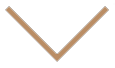
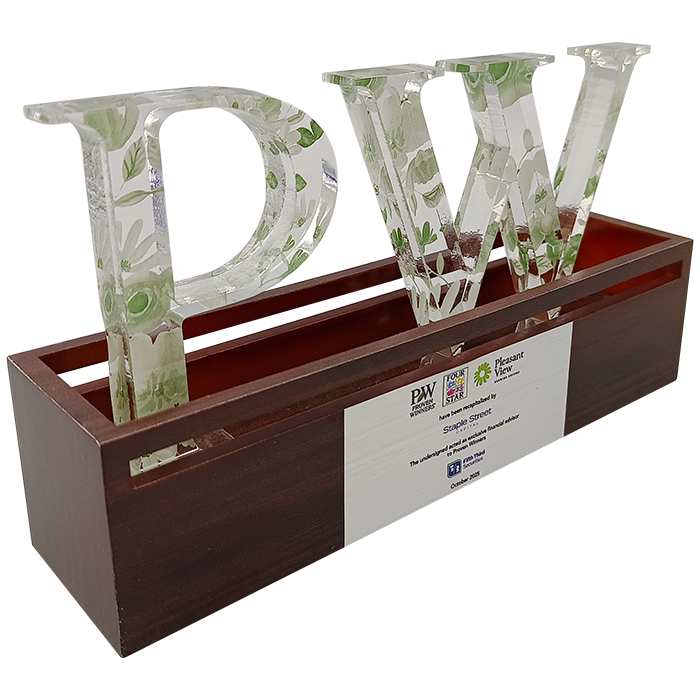
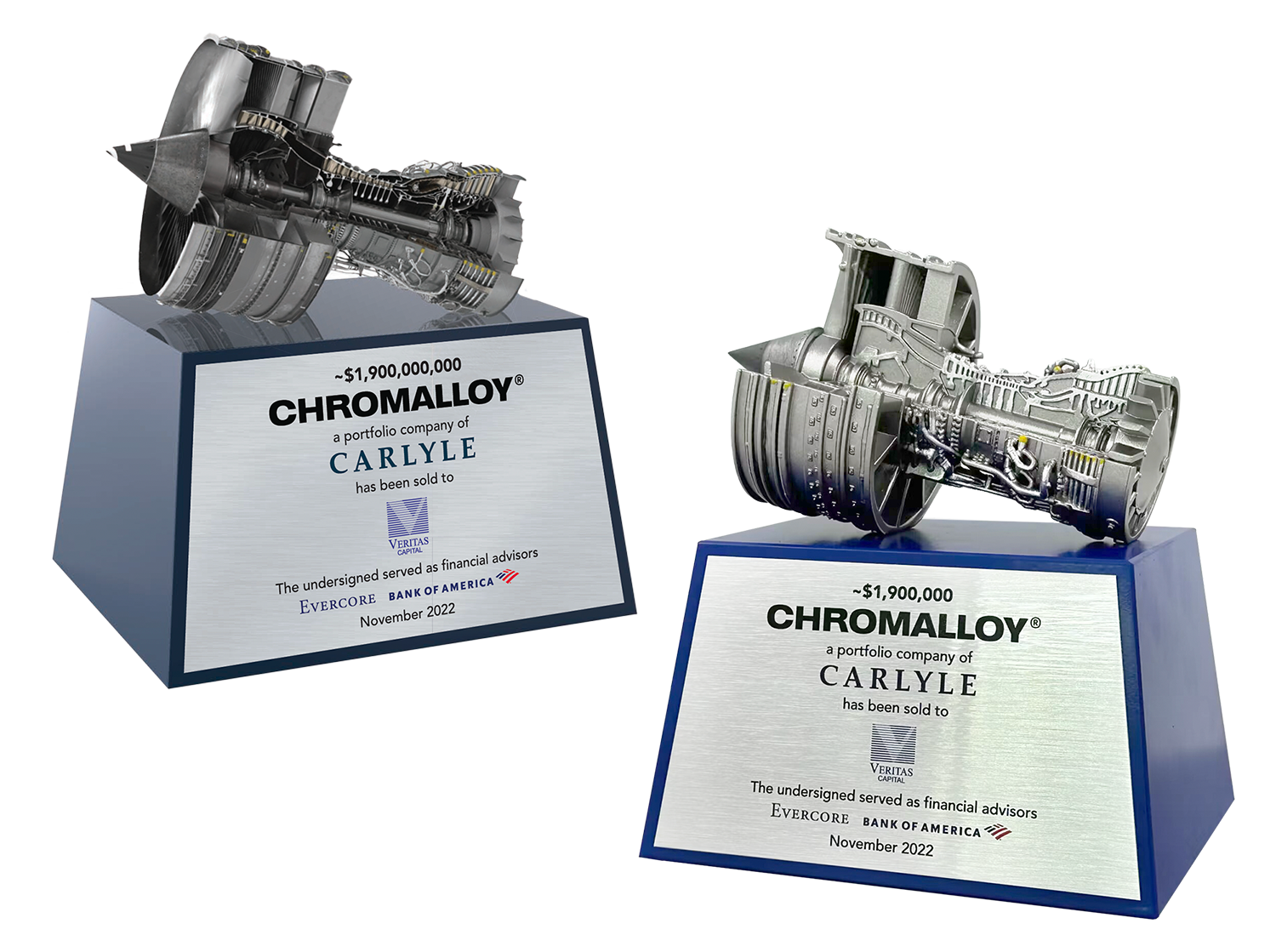 Virtual Sample (Left) and Finished Product (Right)
Historically, a prototype served a clear purpose. It allowed clients to confirm scale, materials, and overall appearance before committing to a full production run. When visualization tools were limited, this step provided reassurance. That context has changed.
Today, high-resolution renderings, combined with detailed production specifications, offer a level of clarity that was not previously available. In many cases, they provide the same confidence without the cost or delay of a separate manufacturing cycle.
A prototype is not simply “one extra piece.” It is the beginning of production. Tooling, programming, and setup are required regardless of quantity, which means the first unit carries a disproportionate share of the total cost. What appears to be a small addition to the process is, in reality, a separate production run.
It also introduces additional shipping, handling, and coordination. These costs are not always immediately visible, but they are real.
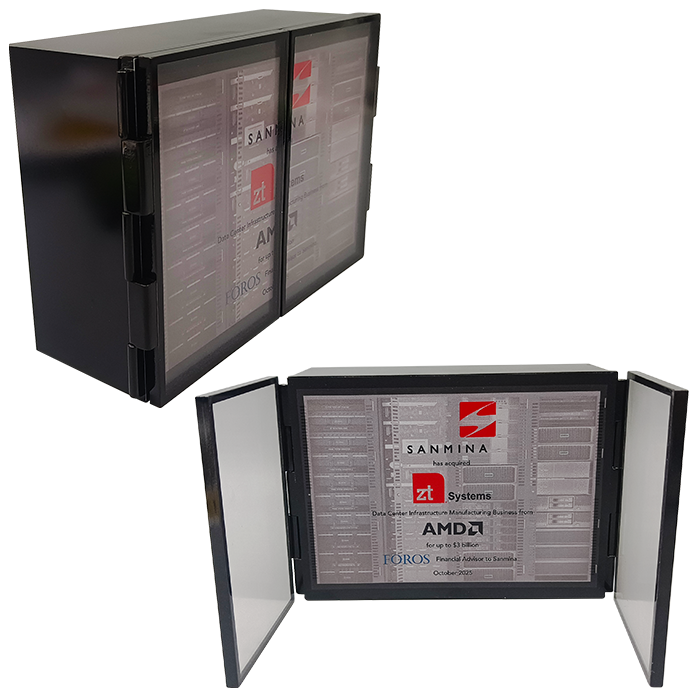
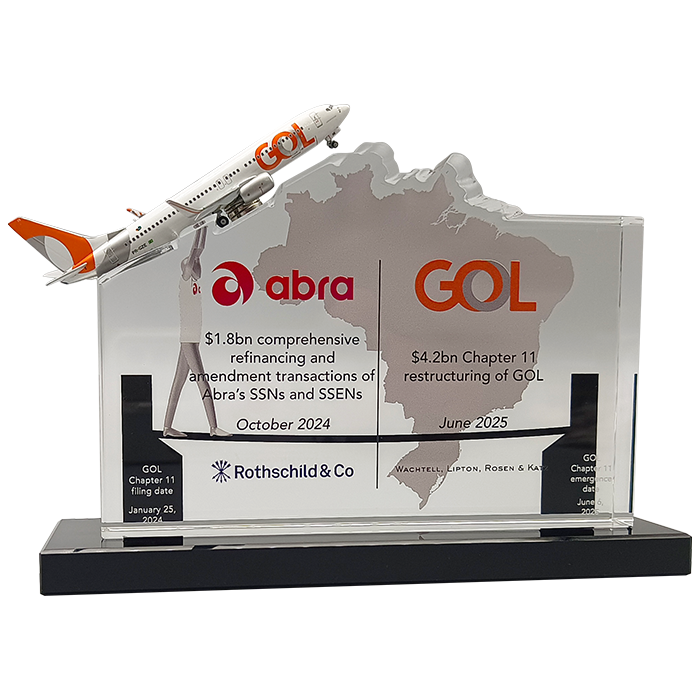
Deal timelines are fixed. When a closing occurs, the deal gift is expected to follow without unnecessary delay. Introducing a prototype stage can extend the timeline by weeks, often without adding meaningful value.
We have found that removing this step can reduce the overall production timeline by approximately two to three weeks, allowing awards to arrive when they are still relevant to the moment. In a process where timing is tied to the significance of the event, that difference matters.
One of the less obvious effects of producing a physical sample is what tends to follow. Once an object is in hand, there is a natural inclination to refine it. Small adjustments are requested. Those adjustments require additional time, additional cost, and often lead to further revisions. This can become a loop.
In many cases, the original design was already sufficient. The prototype simply created an opportunity to reconsider decisions that had already been resolved. For deal toys, where clarity and efficiency are often the priority, this can work against the objective.
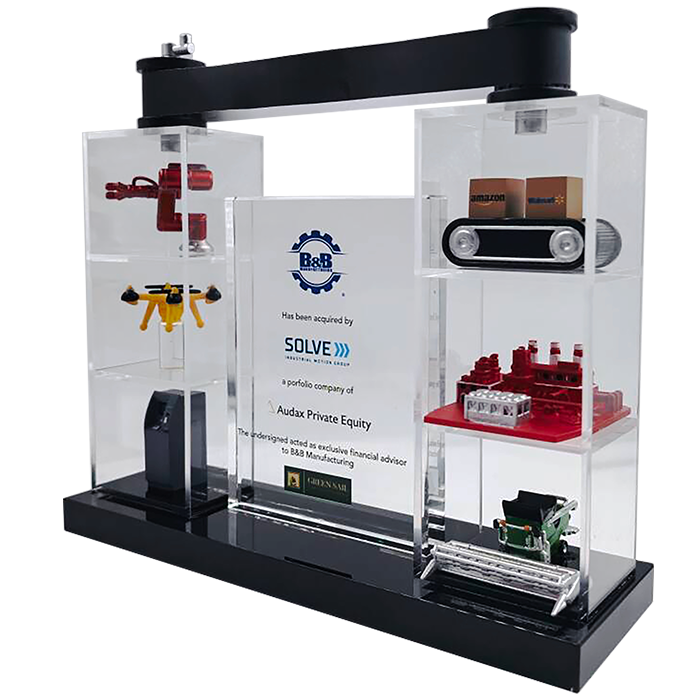
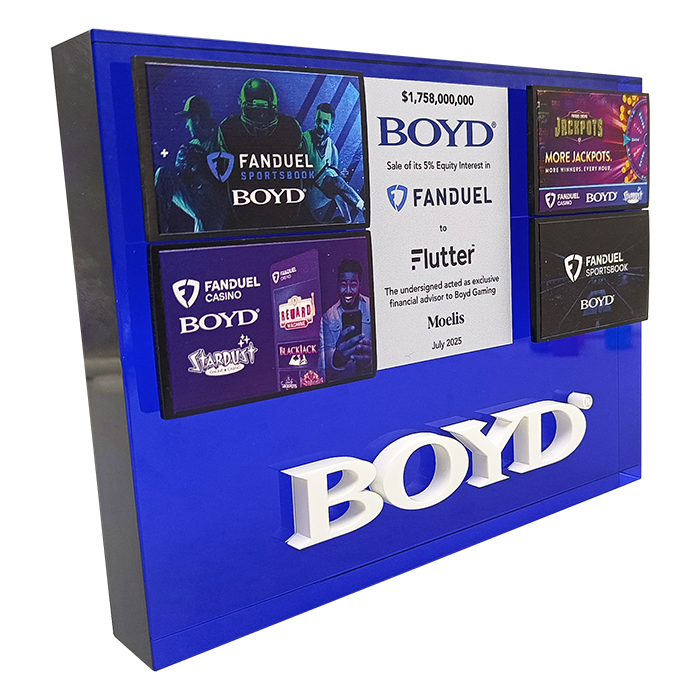
The alternative is not guesswork. It is a different form of confirmation. Society Awards provides detailed digital renderings that reflect the design accurately, along with clear specifications for materials, scale, and finish.
In addition, we offer what we refer to as a virtual sample: high-resolution images or video of the first completed piece from the production line, captured from multiple angles for approval before full shipment. This approach preserves visibility into the final product while eliminating the need for a separate production cycle.
By moving directly from approved design to production, the process becomes more streamlined. There is one manufacturing run instead of two. One shipment instead of multiple. Fewer handoffs, fewer delays, and fewer opportunities for misalignment. It is also more efficient from an environmental perspective, reducing redundant production and shipping.
Most importantly, it aligns with how deal toys are actually used. They are tied to a moment. Their value is connected to timing as much as form.
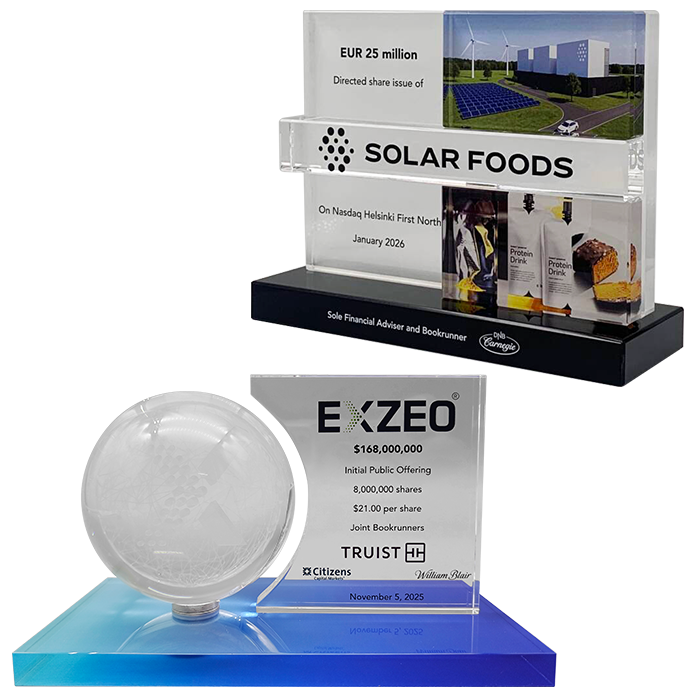
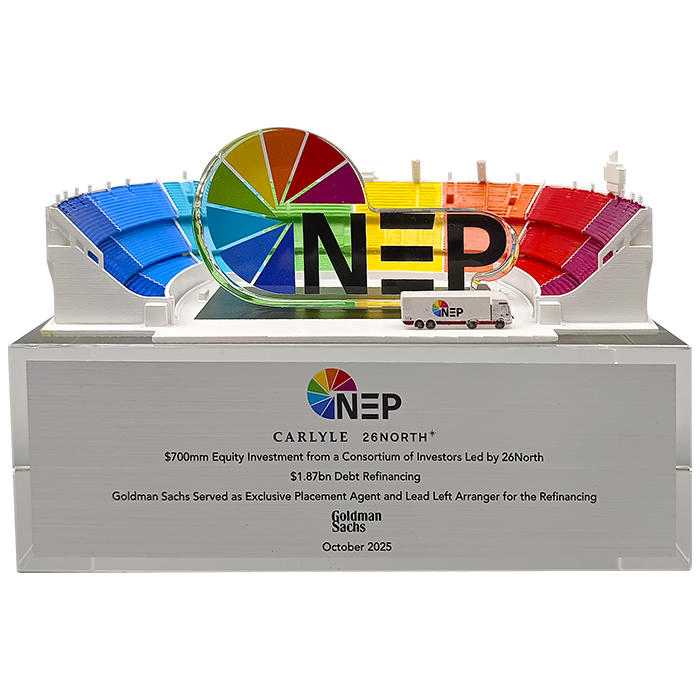
There are exceptions. Highly complex designs, unfamiliar materials, or projects with unusual structural requirements may still benefit from a physical sample. In those cases, the prototype serves a clear purpose.
But those situations are more limited than they once were. For the majority of deal toys, especially those built from established materials and processes, the added step is no longer necessary.
The idea that every deal toy requires a prototype is a holdover from an earlier process. Today, it is often an inefficiency.
By relying on precise digital visualization and controlled production, it is possible to achieve the same level of confidence with less cost, less time, and less complexity.
The result is not a compromise. It is a more direct path to the finished object.
Email our concierge team or reach us at (212) 845-9980 ext.900 to start your project.